

Tracking: Listening to Sensation in Somatic Experiencing
Tracking invites us to slow down, sense inward, and listen to the body in real time. This post explores what tracking is, why it matters, how it rebuilds mind-body connection, and simple steps to develop this foundational SE skill.

Resourcing: Building Inner Safety & Support in Somatic Experiencing
Resourcing creates inner support and safety so the nervous system can gently regulate. This post explores what resourcing is, how it reduces overwhelm, and simple ways to cultivate internal anchors for steadiness, connection, and capacity.

How Trauma Impacts the Body Long-Term
Trauma leaves lasting effects on the body, from chronic pain to sleep problems. Learn how trauma impacts health long-term and how mind-body healing helps.

Orienting: The First Step in Somatic Experiencing
Orienting is the foundation of Somatic Experiencing® — a gentle sensory-based practice that helps the nervous system recognize safety again. This post walks through what orienting is, why it matters, and how to practice it in simple, grounded steps.

Somatic Experiencing: What It Is & Why It’s Essential to Trauma Healing
Trauma doesn’t just live in your mind — it lives in your body. Somatic Experiencing® offers a gentle, body-led way to release stored tension and return to safety, presence, and regulation.

The Eight Limbs of Yoga as a Healing Map
A trauma-informed guide to the Eight Limbs of Yoga for nervous system regulation, embodied healing, and reconnecting with safety through body and breath.

The Polyvagal Ladder Explained
The polyvagal ladder explains how your nervous system moves between safety, stress, and shutdown. Learn how understanding it supports trauma healing.

Pranayama for Trauma Healing: How Breath work Supports Nervous System Regulation
Discover how pranayama (breathwork) can support trauma healing by calming the nervous system, reconnecting you with your body, and creating a sense of grounded safety. This guide offers gentle, trauma-informed practices and integration tips.

Why Talk Therapy Isn’t Always Enough
Talk therapy is powerful, but trauma often requires more than words. Learn why integrative approaches like somatic therapy and EMDR go beyond talk.

The Tao of Trauma: Wu Wei and Gentle Recovery
In trauma recovery, we often push, fix, or strive — but healing can also mean softening. This post explores Wu Wei, the Taoist wisdom of effortless action, and how it invites gentle recovery through stillness, compassion, and nervous system flow.

Sleep and Trauma: Why Rest Feels Unsafe
Trauma often makes rest feel unsafe, leading to insomnia, nightmares, or hypervigilance. Learn why sleep is disrupted and how healing restores safety at night.

Cortisol, Adrenaline, and the Trauma Response
Cortisol and adrenaline are survival hormones that fuel the trauma response. Learn how they work, why they can get stuck, and how healing is possible.

Neuroplasticity: How Healing Changes the Brain
Neuroplasticity shows us that the brain can change and heal after trauma. At Body and Mind Collective, we help clients understand this process and move forward in healing.

Dissociation: Your Brain’s Survival Mechanism
Dissociation is your brain’s way of protecting you during trauma. At Body and Mind Collective, we explore why it happens and how healing begins.
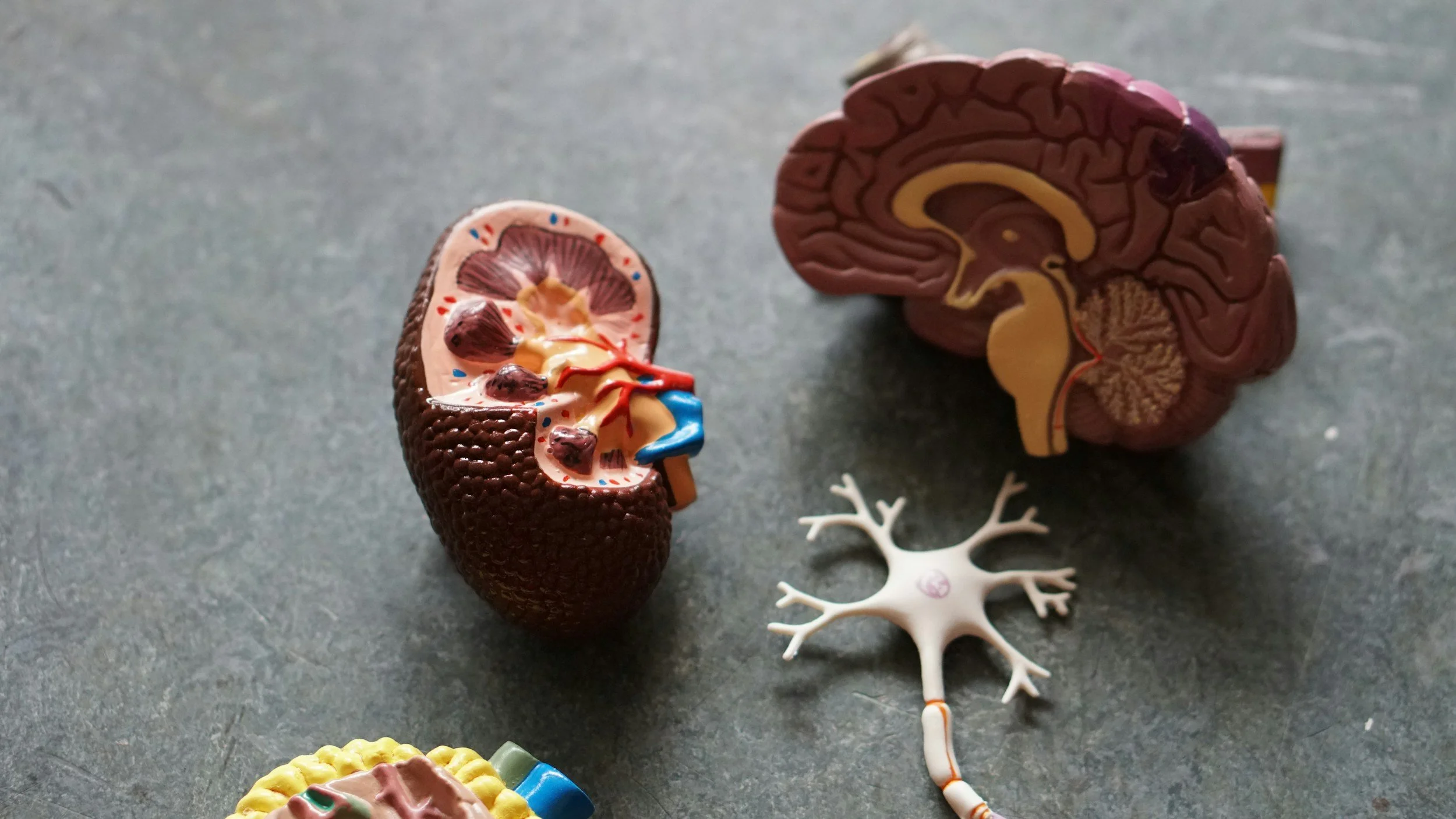
Why Triggers Feel So Intense: A Look at the Amygdala
Triggers feel overwhelming because of the brain’s amygdala, the center for fear and survival. Learn why trauma triggers are so intense and how healing begins.

How The Brain Stores Trauma
Trauma memories are stored differently in the brain, often showing up as body sensations and flashbacks. Learn the neuroscience of trauma and how healing is possible.

What Trauma is (and isn’t)
When people hear the word “trauma,” they often think of life-threatening events. But trauma isn’t just about what happened to you—it’s about how your body and mind responded. At Body and Mind Collective, we explore what trauma truly is, what it isn’t, and how healing is possible through compassionate, integrative care.