
Healing Your Inner Child While Parenting: Why Raising a Child Can Bring Up Your Own Childhood
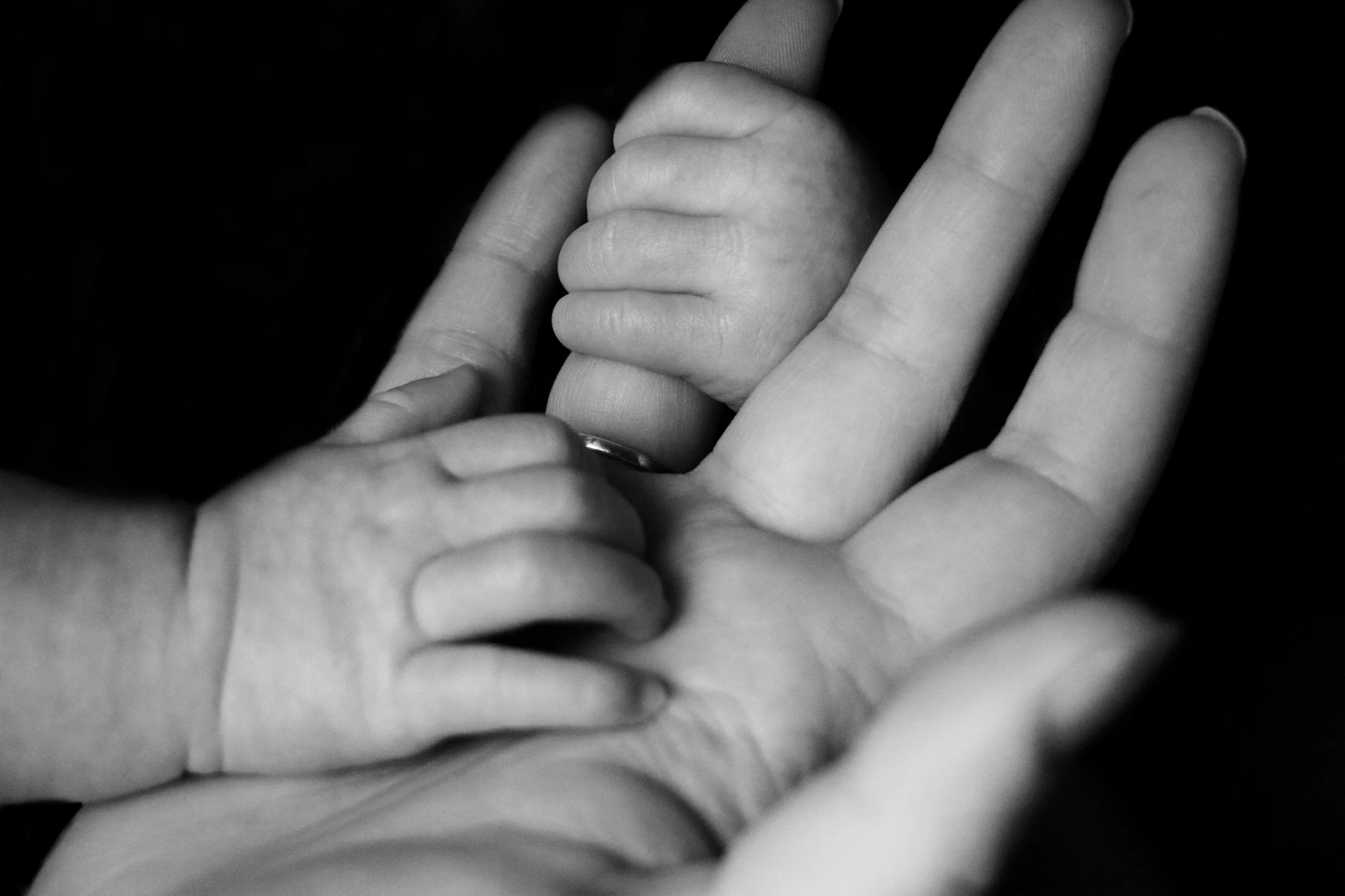
Before becoming a parent, many people assume the biggest challenges will involve sleepless nights, tantrums, school schedules, or navigating the countless responsibilities that come with raising a child.
What often comes as a surprise is how much parenting can bring up your own childhood.
You may find yourself remembering experiences you haven't thought about in years.
You may notice emotional reactions that seem bigger than the situation in front of you.
You may even find yourself asking:
"Why is this affecting me so much?"
The truth is that parenting has a unique way of shining a light on parts of ourselves that may have gone unnoticed for a long time.
What Does "Inner Child" Mean?
The term "inner child" refers to the younger parts of ourselves that still carry memories, emotions, beliefs, and experiences from childhood.
These parts don't disappear when we become adults.
They often continue to influence how we think, feel, respond to stress, and relate to others.
Our inner child may hold:
Feelings of joy and creativity
Experiences of connection and belonging
Unmet emotional needs
Painful memories
Fears and insecurities
Messages we learned about ourselves
Parenting can bring these experiences closer to the surface.
Why Parenting Can Be Triggering
Many parents find themselves responding emotionally to situations they never expected.
Perhaps your child expresses an emotion that wasn't allowed in your family growing up.
Maybe your child reaches an age that reminds you of a difficult period in your own childhood.
Or perhaps you're trying to parent differently than you were parented and finding that much harder than you imagined.
Parenting often activates old memories and nervous system responses because it places us in situations that closely resemble experiences we had as children.
Even when we consciously want to do things differently, our bodies may still carry the imprint of past experiences.
Grieving the Childhood You Didn't Have
One of the most challenging aspects of parenting can be realizing what you missed.
As you comfort your child, encourage their feelings, or create experiences of safety and connection, you may become aware of needs that weren't fully met in your own childhood.
This realization can bring up grief.
You may find yourself mourning:
Emotional support you didn't receive
Validation you longed for
Safety you wish you had experienced
Opportunities you missed
Relationships you needed
While painful, this awareness can also be an important part of healing.
Breaking Generational Patterns
Many parents carry a deep desire to break cycles that have existed for generations.
You may want to:
Communicate differently
Respond to emotions differently
Create healthier boundaries
Foster greater emotional safety
Parent with more connection and understanding
This work can be incredibly meaningful.
It can also be exhausting.
Breaking patterns requires awareness, intention, and compassion for yourself along the way.
No parent gets it right all the time.
The goal isn't perfection. The goal is progress.
Healing Often Happens in Small Moments
When people think about healing, they often imagine dramatic breakthroughs.
In reality, healing frequently occurs in ordinary moments.
It might look like:
Apologizing to your child after losing your patience
Allowing your child to express emotions you weren't allowed to express
Offering comfort instead of criticism
Setting a healthy boundary
Speaking to yourself with greater kindness
These moments may seem small, but they often represent significant shifts from patterns you've carried for years.
Parenting Can Teach Us About Ourselves
Children have a remarkable way of revealing both our strengths and our struggles.
They invite us to slow down, pay attention, and notice the ways our past experiences continue to influence us.
While this process can feel uncomfortable, it can also be deeply transformative.
Many parents discover that the work they do to support their children also helps them heal parts of themselves.
You Don't Have to Be Fully Healed to Be a Good Parent
One of the most important things to remember is that you do not need to resolve every childhood wound before becoming a good parent.
Healing is an ongoing process.
Your child does not need a perfect parent.
They need a parent who is willing to learn, grow, repair mistakes, and show up with authenticity and care.
The fact that you're reflecting on these patterns at all is often a sign that meaningful growth is already happening.
How Body & Mind Collective Can Help
At Body & Mind Collective, we understand that parenting often brings old experiences, emotions, and nervous system patterns to the surface. Through somatic therapy and other mind-body approaches, we help clients explore these experiences with curiosity and compassion rather than judgment.
Whether you're navigating parenting challenges, processing your own childhood experiences, or working to break generational patterns, therapy can provide a supportive space to better understand yourself and build new ways of responding. Healing your inner child isn't about changing the past—it's about creating greater awareness, connection, and choice in the present.
